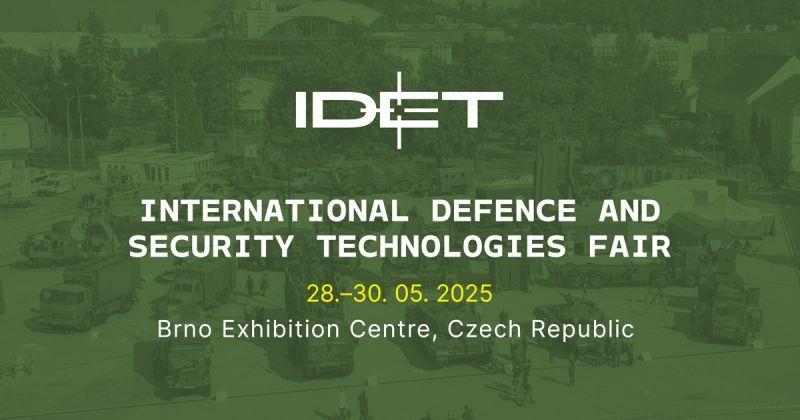


Interesting tendency is observed in the Defence World.
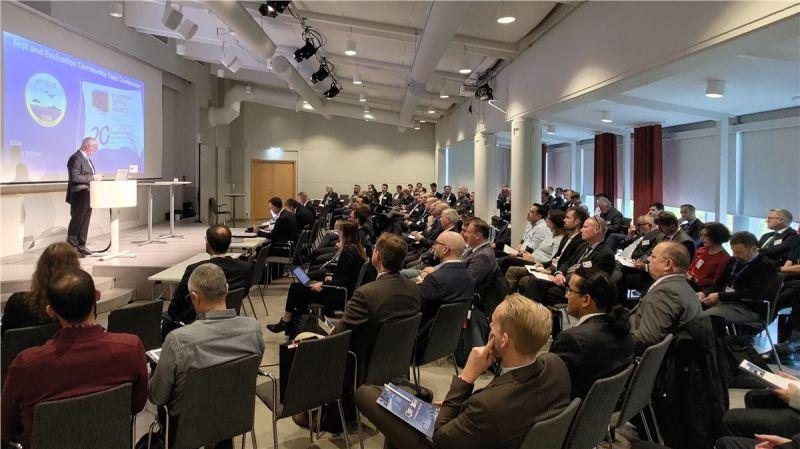
Interesting tendency is observed in the Defence World. Each new month is becoming more and more saturated by different defence conferences, exhibitions, forums and other sorts of events.
The European Defence Agency (EDA) brought together military experts, researchers, and industry professionals in October to shape the future of testing and evaluation of military capabilities.
The development of testing and evaluation (T&E) centres for defence systems has been a priority for the EDA since its inception in 2004. Ensuring that testing across the EU follows the same procedures is crucial for interoperability among European forces and for equipment, where interoperability must be established from the ground up.
Over the three days of the conference from 8 October 2024, more than 100 participants from 18 EU Member States, EDA partner countries, EU institutions, and other relevant stakeholders gathered for the Fourth Test and Evaluation Community Days Conference in Linköping, Sweden.
Military Robots and Autonomous Systems - Market and Technology Forecast to 2030
In Linköping, delegates reflected on lessons learned from the war in Ukraine, the impact of artificial intelligence (AI) on defence testing capabilities, the influence of big data on decision-making within T&E organisations, and what testing and evaluation may mean for a new generation of experts.
As multidomain operations become a crucial element of modern warfare, understanding the interplay between air, land, maritime, space, and cyber operations is essential for building interoperability. In Sweden, experts shared case studies on international cooperation, illustrating how countries can collaborate to overcome common challenges, such as differing testing requirements and procedures across jurisdictions.
Part of the discussions was the IT platform developed for the European Defence Test and Evaluation Base (DTEB). This platform aims to identify test centres across EU Member States, highlighting available resources and challenges in the domains of land, maritime, air, space, and cyber defence. This initiative could play a pivotal role in addressing gaps in testing and evaluation resources across Europe, leading to more integrated and efficient efforts.
So what conclusions can we make:
the whole world is aware of the need to unite knowledge, resources, communications on the basis of multinational ecosystem platforms. Such a format is becoming vital in today's security environment of the Western world as a whole and a condition for survival for the warring Ukraine. This is about the future, this is about the vector of development that will affect all countries and regions.
Related Blog Posts
Defense Week (29 Sep–05 Oct)

MILZO YouTube Channel

Defense Tech Valley 2025 — where defense, innovation, and entrepreneurship converge.
Defense Week: contracts, drones, and new EW test ranges

Digital Transformation for Defense Associations and Clusters

MAGURA: A Rare Look at Where It All Began

Naval Drones: A New Era of Uncrewed Maritime Dominance
European Defence Industry: Spending at Cold War Levels
Strategic Acquisitions & Vertical Integration
Drone Warfare 2025: Strategic Trends & Industry Momentum Q2 2025
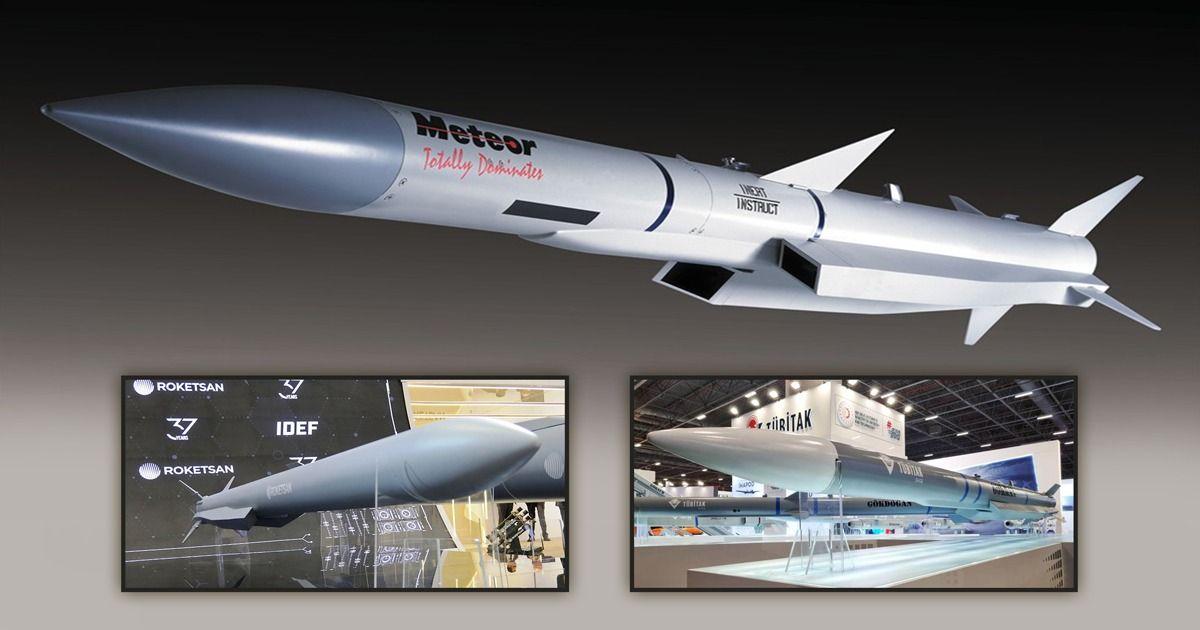
The development of Turkey’s Gökbora missile with a ramjet engine is another step in the global race to replicate the capabilities of the Meteor — the Franco-British beyond-visual-range (BVR) air-to-air missile that has become a new standard in its class.
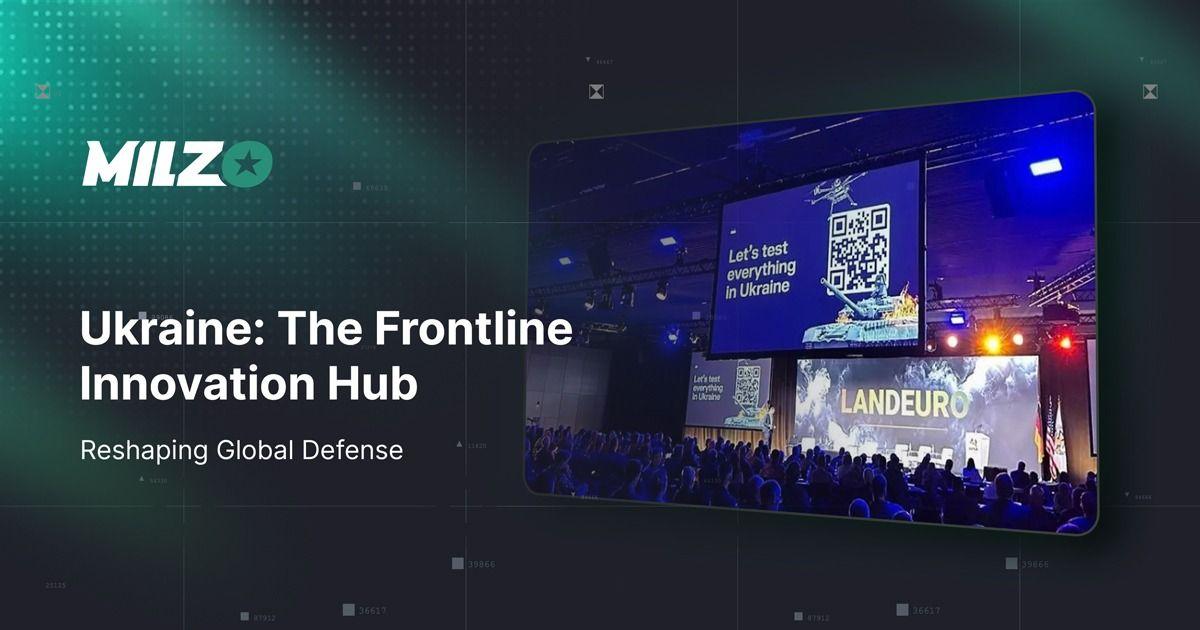
“Ukraine: The Frontline Innovation Hub Reshaping Global Defense”
Milzo Weekly Digest (1–13 July)
Ukraine — a Hub of Defense Innovation

Milzo Strategic Digest

In the new era of warfare, tanks are no longer the main asset — decisions are. And ideally, they need to be instant.
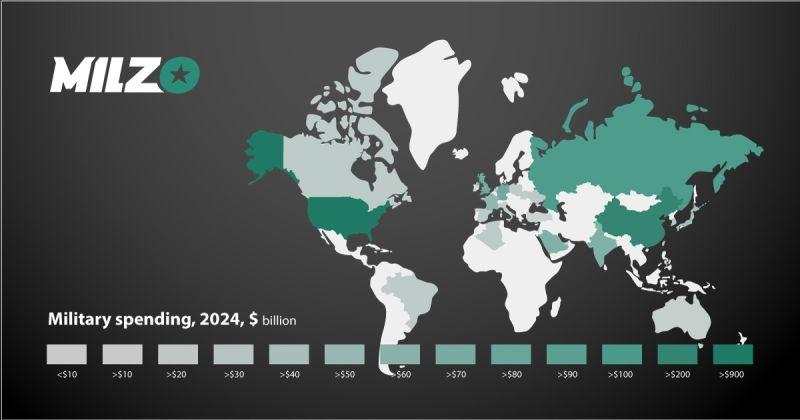
Defense Spending 2024–2025
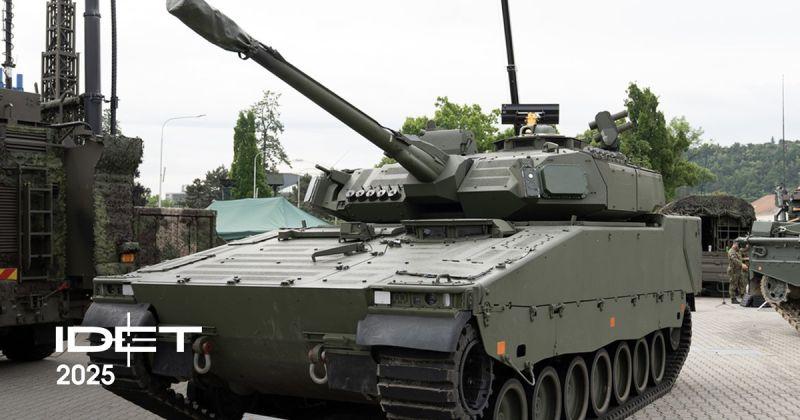
IDET 2025: Defence is going digital

MILZO at DEF.Talks: Strategic Communication in the Defence Sector