


Milzo Weekly Digest (1–13 July)
Milzo Weekly Digest (1–13 July)
This week’s key developments shaping the international defense and dual-use landscape — and what they mean for digital transformation:
1️⃣ Ukraine to Lift Arms Export Ban
President Zelensky has approved a partial lifting of the arms export moratorium — allowing companies to export up to 50% of their domestic contract volume.
Milzo already provides the digital infrastructure for secure contract coordination, export planning.
2️⃣ Pentagon Backs Long-Term Rare Earth Magnet Supply
The U.S. Department of Defense will guarantee a 10-year purchase of critical rare earth magnets at a minimum price of $110/kg.
This is a strategic move to reduce dependency on Chinese supply chains and secure materials vital for aerospace and defense manufacturing.
3️⃣ France Tests Fighter Jets Against High‑Altitude Balloons
French Rafale and Mirage 2000 aircraft have conducted interception drills targeting near-space balloons between 20–100 km altitude.
This reflects growing military attention to emerging stratospheric and near-space threats.
4️⃣ UK–France Nuclear Deterrence Pact
The UK and France have signed their first-ever strategic agreement on nuclear deterrence cooperation — maintaining separate arsenals while coordinating doctrine to enhance collective response against Russian threats.
5️⃣ NATO Allies Agree on New Defense Spending Targets
A collective pledge to reach 5% of GDP in defense spending by 2035:
* 3.5% for conventional capabilities
* 1.5% dedicated to R&D, cyber, and dual-use technologies
6️⃣ Global Combat Air Programme Launches
The UK, Italy, and Japan have initiated a sixth-generation fighter jet project — with over 1,000 defense companies engaged across three continents.
The program aims to deliver operational capabilities by 2035, focusing on AI, interoperability, and export competitiveness.
7️⃣ Ukraine–Denmark Sign Joint Defense Manufacturing Deal
Ukrainian defense companies will begin production within Danish territory — allowing access to EU legal frameworks and enabling secure export capacity under international regulation.
8️⃣ NATO Refocuses Military Aid on Ukrainian Industrial Capacity
A shift from purely military aid to building up Ukraine’s domestic defense production — including financing R&D, supply chains, and digital ecosystems.
Strategic Takeaways
* Cybersecurity, secure communications, and rare-earth independence are now top defense priorities.
* Bilateral agreements and joint ventures are shaping a new industrial defense map.
* Digital platforms like Milzo are essential enablers of export readiness, project automation, and secure collaboration — both for Ukrainian and global companies.
We publish weekly updates so you stay one step ahead.
📩 Interested in a private platform walkthrough or integration session? Reach out to our team anytime.
Related Blog Posts
Defense Week (29 Sep–05 Oct)

MILZO YouTube Channel

Defense Tech Valley 2025 — where defense, innovation, and entrepreneurship converge.

Defense Week: contracts, drones, and new EW test ranges

Digital Transformation for Defense Associations and Clusters

MAGURA: A Rare Look at Where It All Began

Naval Drones: A New Era of Uncrewed Maritime Dominance

European Defence Industry: Spending at Cold War Levels
Strategic Acquisitions & Vertical Integration
Drone Warfare 2025: Strategic Trends & Industry Momentum Q2 2025
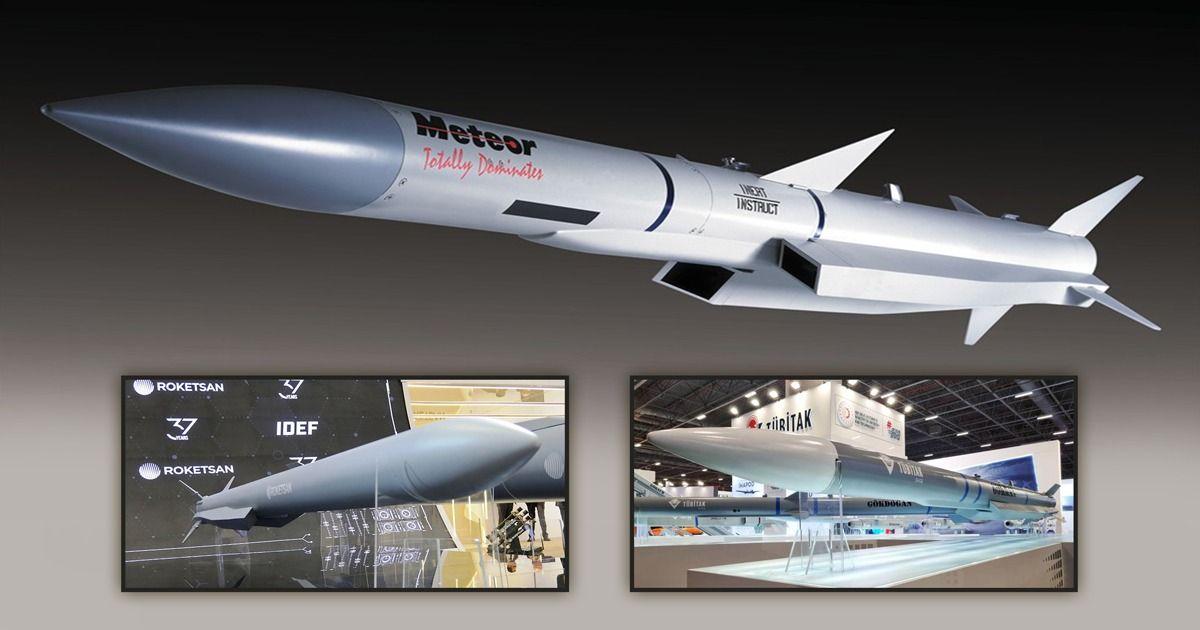
The development of Turkey’s Gökbora missile with a ramjet engine is another step in the global race to replicate the capabilities of the Meteor — the Franco-British beyond-visual-range (BVR) air-to-air missile that has become a new standard in its class.

“Ukraine: The Frontline Innovation Hub Reshaping Global Defense”

Ukraine — a Hub of Defense Innovation

Milzo Strategic Digest

In the new era of warfare, tanks are no longer the main asset — decisions are. And ideally, they need to be instant.
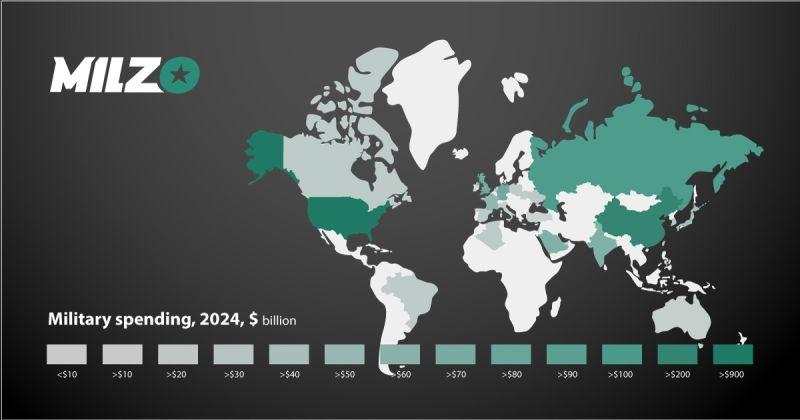
Defense Spending 2024–2025
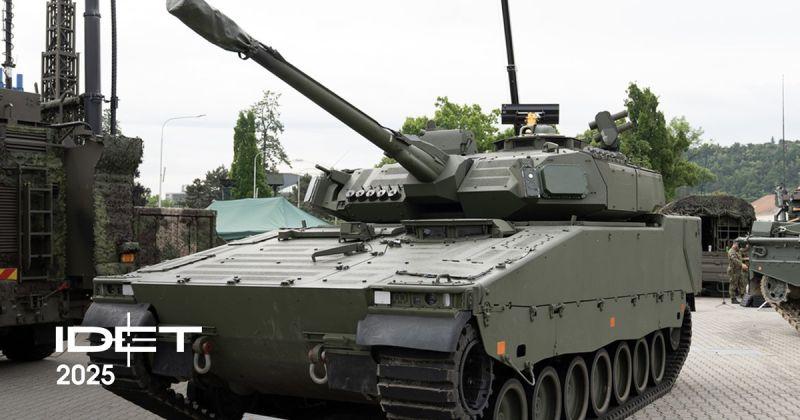
IDET 2025: Defence is going digital

MILZO at DEF.Talks: Strategic Communication in the Defence Sector