

European Defence Industry: Spending at Cold War Levels
uropean Defence Industry: Spending at Cold War Levels
European defence budgets have reached Cold War-era peaks. Just one week’s headlines — from billion-euro contracts to strategic cooperation — show a rapid transformation of the continent’s security landscape.
Part 1. Rheinmetall — the Flagship of the European Defence Industry
€6–8 Billion Skyranger 30 Contract Expected by year-end, this deal for mobile air-defence systems will strengthen NATO’s short-range interception capabilities.
- H1 2025 Financial Results
Sales up 24% to €4.7 billion; order backlog hits €63 billion — reflecting sustained demand.
- New U.S. Office
Fairfax County facility strengthens Pentagon ties and transatlantic reach.
- Over 1,300 Military Trucks
Bundeswehr orders 963 multi-purpose and 425 standard trucks — all due by year-end.
- KF41 Lynx Production in Romania
Local assembly reinforces Rheinmetall’s Eastern European hub.
- Romanian Production Network
Integrates local industry into Rheinmetall’s global ecosystem.
Part 2. European Nations’ Defence Developments
Lithuania Adopts Ukrainian Sky Fortress
Enhances NATO’s air-defence posture on the eastern flank.
- Estonia Receives Final CAESAR Systems
Twelve 155-mm SPHs now bolster Baltic artillery coverage.
- First Fully UK-Built Boxer
Domestic production cuts reliance on foreign assembly.
- Poland Starts K2PL Tank Production
Speeds up modernisation of land forces.
- France–UK Nuclear Alignment
Joint oversight improves deterrence without losing autonomy.
- Germany’s Record Defence Budget
Bundeswehr set to be Europe’s strongest conventional force.
- Poland’s “Drone Revolution”
$55M investment, training centres, and legal support for mass UAV use.
- EU’s €150 Billion SAFE Defence Loan Programme
Low-interest loans for joint air-defence, artillery, drones, cyber, and refuelling; €127B already requested.
Conclusion
Europe’s defence industry is accelerating modernisation and scaling production, with a focus on autonomy, innovation, and industrial expansion. Government–industry cooperation is deepening, and investment levels now rival Cold War mobilisation. These trends signal a long-term commitment to rearmament and stronger defence capabilities amid rising threats.
Related Blog Posts
Defense Week (29 Sep–05 Oct)
MILZO YouTube Channel

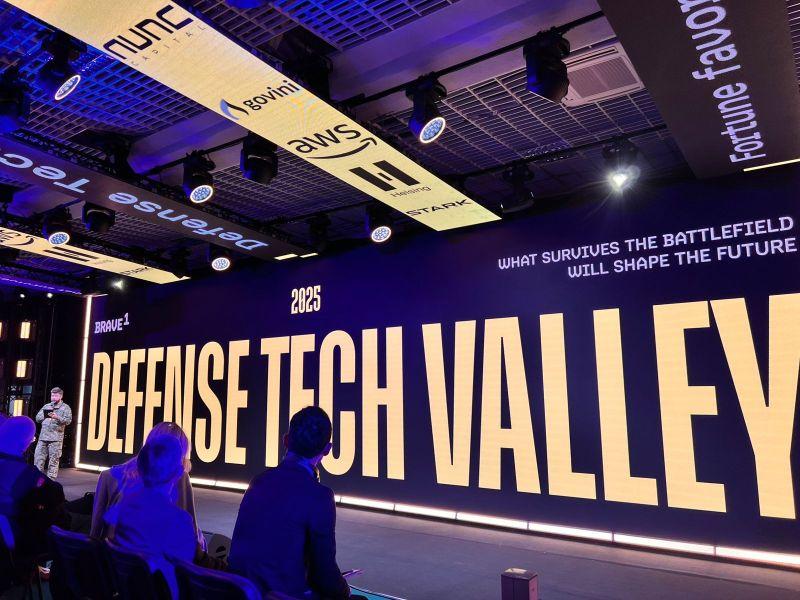
Defense Tech Valley 2025 — where defense, innovation, and entrepreneurship converge.
Defense Week: contracts, drones, and new EW test ranges

Digital Transformation for Defense Associations and Clusters

MAGURA: A Rare Look at Where It All Began
Naval Drones: A New Era of Uncrewed Maritime Dominance
Strategic Acquisitions & Vertical Integration
Drone Warfare 2025: Strategic Trends & Industry Momentum Q2 2025
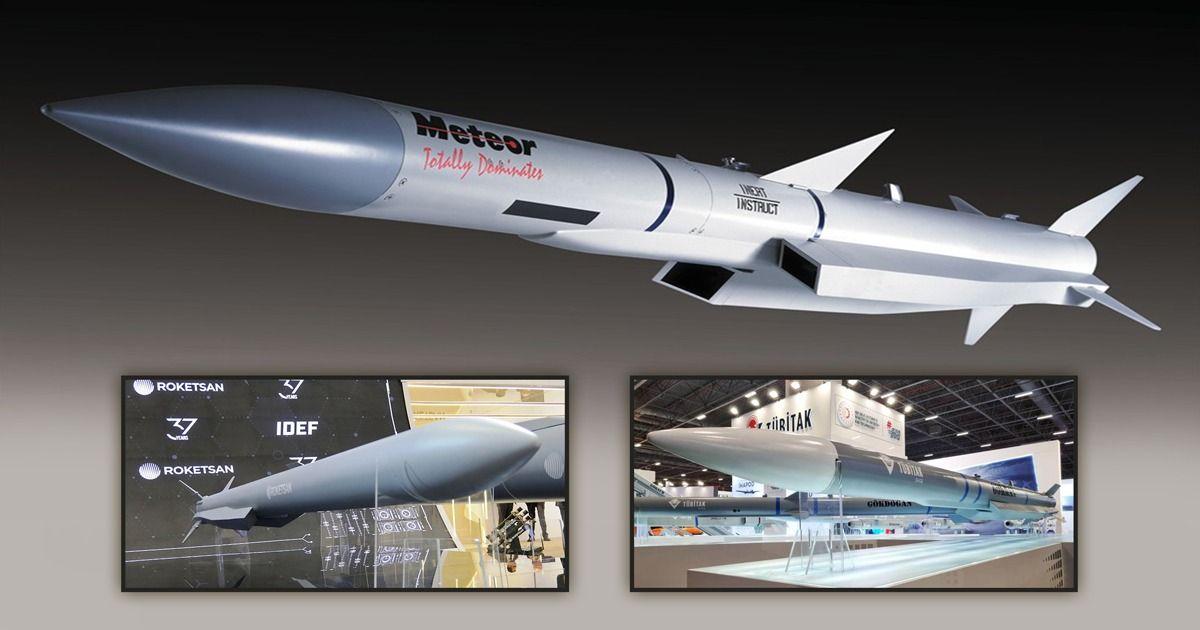
The development of Turkey’s Gökbora missile with a ramjet engine is another step in the global race to replicate the capabilities of the Meteor — the Franco-British beyond-visual-range (BVR) air-to-air missile that has become a new standard in its class.
“Ukraine: The Frontline Innovation Hub Reshaping Global Defense”
Milzo Weekly Digest (1–13 July)

Ukraine — a Hub of Defense Innovation

Milzo Strategic Digest

In the new era of warfare, tanks are no longer the main asset — decisions are. And ideally, they need to be instant.
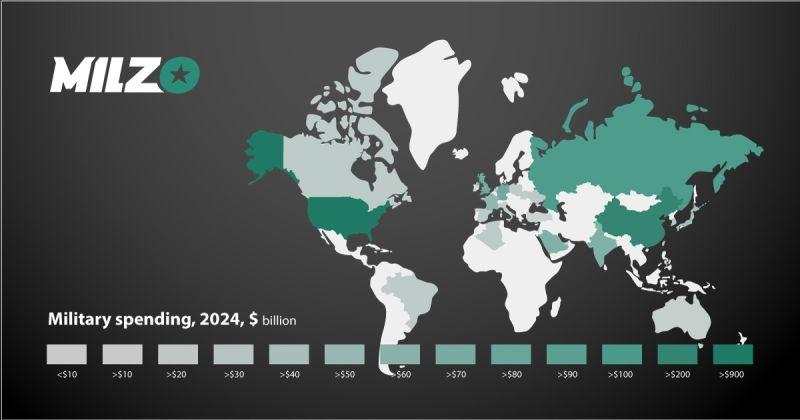
Defense Spending 2024–2025
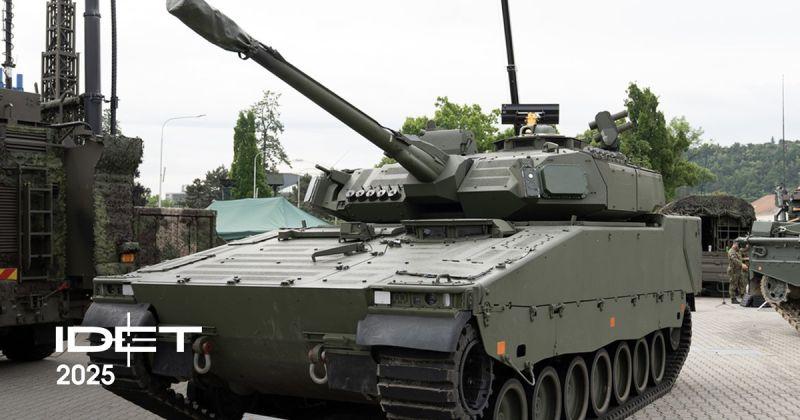
IDET 2025: Defence is going digital

MILZO at DEF.Talks: Strategic Communication in the Defence Sector