


Naval Drones: A New Era of Uncrewed Maritime Dominance
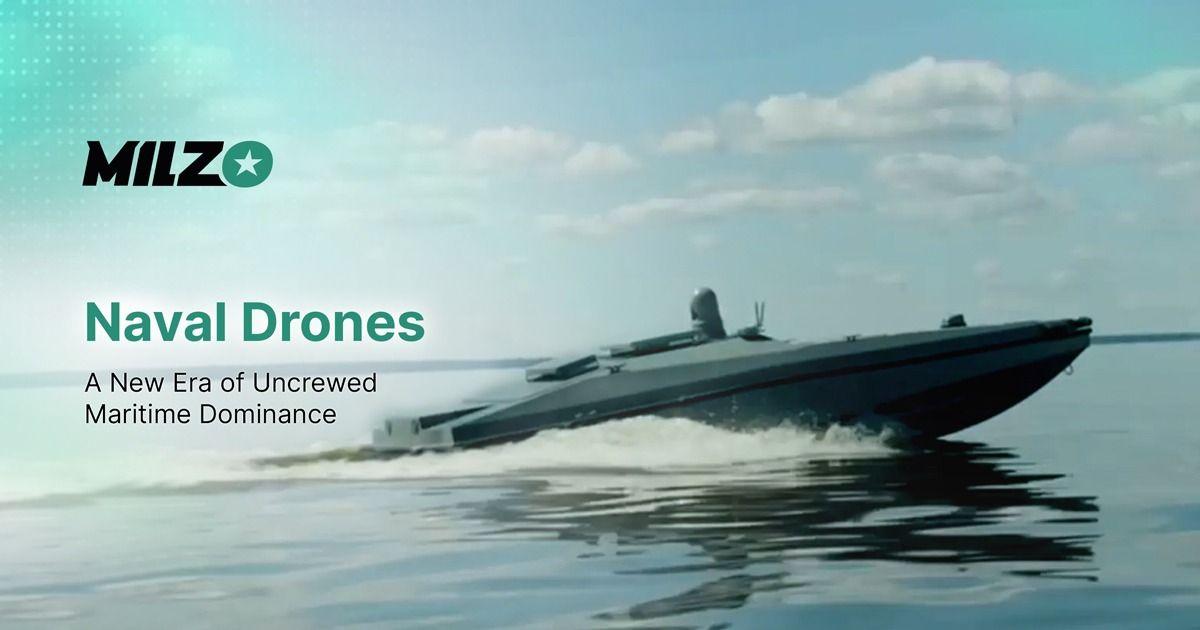
Naval Drones: A New Era of Uncrewed Maritime Dominance
1. Introduction
Uncrewed maritime platforms are among the fastest-growing yet least understood modern warfare technologies. Despite many successful attacks, the domain remains classified, with little verifiable combat data. Still, the trend is clear: naval drones are reshaping maritime security architecture. Their key advantage lies in human-free operations — over hundreds or thousands of kilometers, under heavy EW/GPS interference. This isn’t just a cheaper navy; it’s a different logic of warfare.
2. Ukraine’s Breakthrough
Ukraine was the first nation to use naval drones in regular combat operations:
Sea Baby: up to 850 kg explosives, 1,000+ km range, 90 km/h
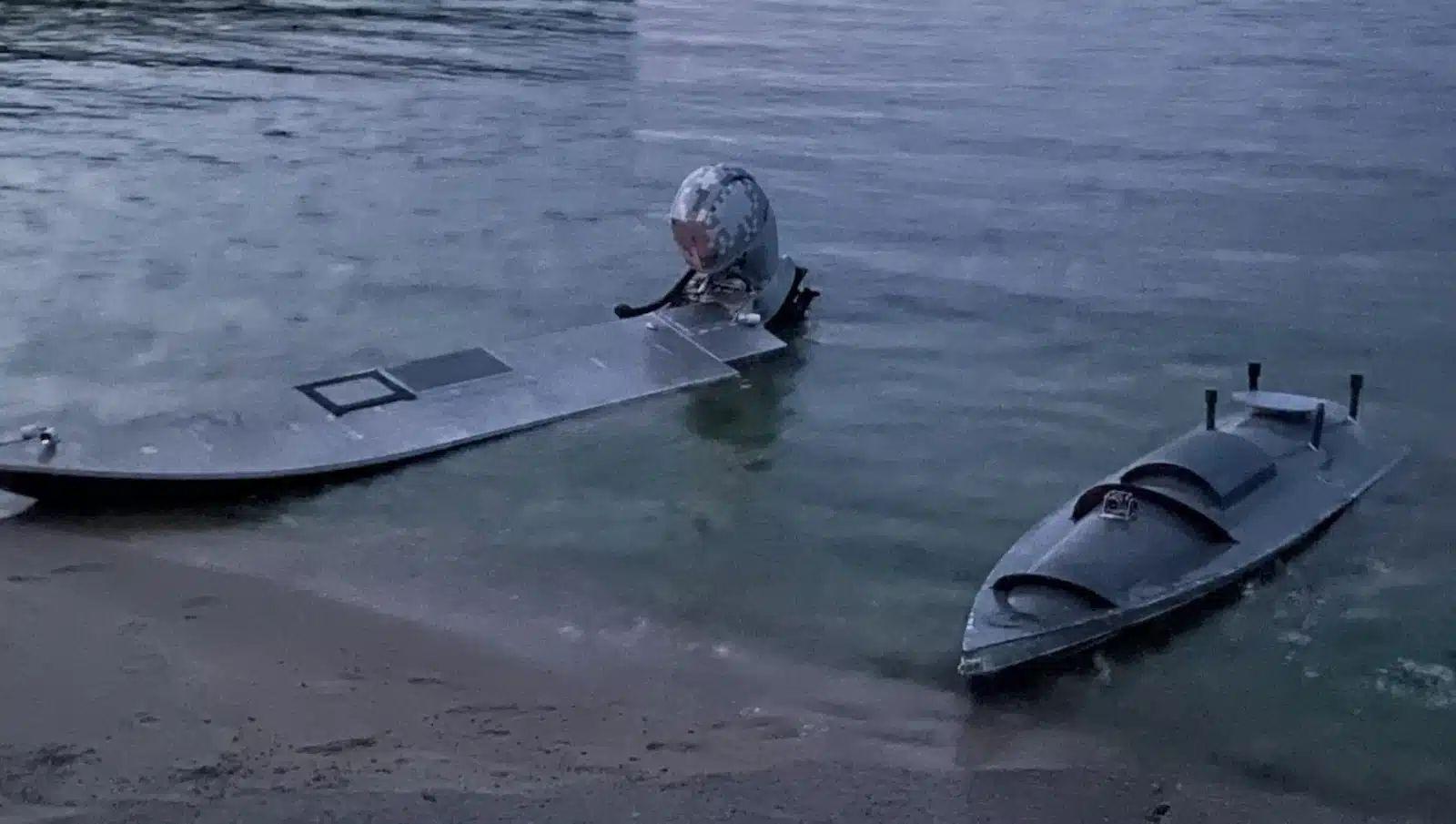
MAGURA V5: 320 kg payload, 800 km range, exceptional precision
Marichka: autonomous underwater drone targeting surface/coastal assets
Toloka TLK-150: compact torpedo-shaped UUV (2.5m, 50kg); TLK-400/TLK-1000 in development
Ukraine also created the world’s first dedicated naval drone unit: the 385th Brigade of Uncrewed Maritime Systems.
Advantages: low cost, strike potential, swarming, zero crew risk. Challenges: EW vulnerability, GPS dependence, complex navigation.
3. Global Trends
USA: Leidos (Sea Hunter), Northrop (Manta Ray), Boeing (Orca) — autonomous anti-submarine platforms. "Robot-on-Robot" program: autonomous swarms with decentralized decision-making.
Europe: Saildrone, Saab, Elbit, Thales — border patrol, demining, research. UK/Denmark investing in dual-use platforms.
Asia: China, South Korea, Taiwan, Japan — expanding fleets for South China Sea operations. Active testing of drone swarms for coastal/multi-domain missions.
Civilian Sector: Saildrone (US) - Explorer, Voyager, Surveyor: oceanography, infrastructure, climate. Wave Glider (Boeing) - wave-solar hybrid drone operating for months. Sulmara - uncrewed commercial geospatial survey.
4. Technology & Outlook
AI: onboard analytics, object recognition, autonomous targeting. Navigation: multi-level autonomous systems with threat adaptation. Comms: resilient encrypted links, EW-resistant, alternative protocols. Legal gaps: maritime law lacks rules for uncrewed platforms in global waters. Dual-use convergence: annual tech crossover from science to combat (and vice versa).
5. Market
USV global market in 2023: $1.5B. Forecast for 2030: $3.3B+, likely to accelerate with growing global tensions. Trends: mass deployment, low-cost endurance, high-risk tolerance.
6. Conclusion
Naval drones aren’t just a trend — they represent a new model of maritime security and force projection. Ukraine has not only proven its technological maturity but is actively shaping NATO’s and allies’ strategic trajectory.
The next frontier: scaling, swarm coordination, and deep AI integration. The future lies in uncrewed operations across multi-domain battle environments.
Related Blog Posts
Defense Week (29 Sep–05 Oct)

MILZO YouTube Channel

Defense Tech Valley 2025 — where defense, innovation, and entrepreneurship converge.
Defense Week: contracts, drones, and new EW test ranges

Digital Transformation for Defense Associations and Clusters
MAGURA: A Rare Look at Where It All Began

European Defence Industry: Spending at Cold War Levels
Strategic Acquisitions & Vertical Integration
Drone Warfare 2025: Strategic Trends & Industry Momentum Q2 2025
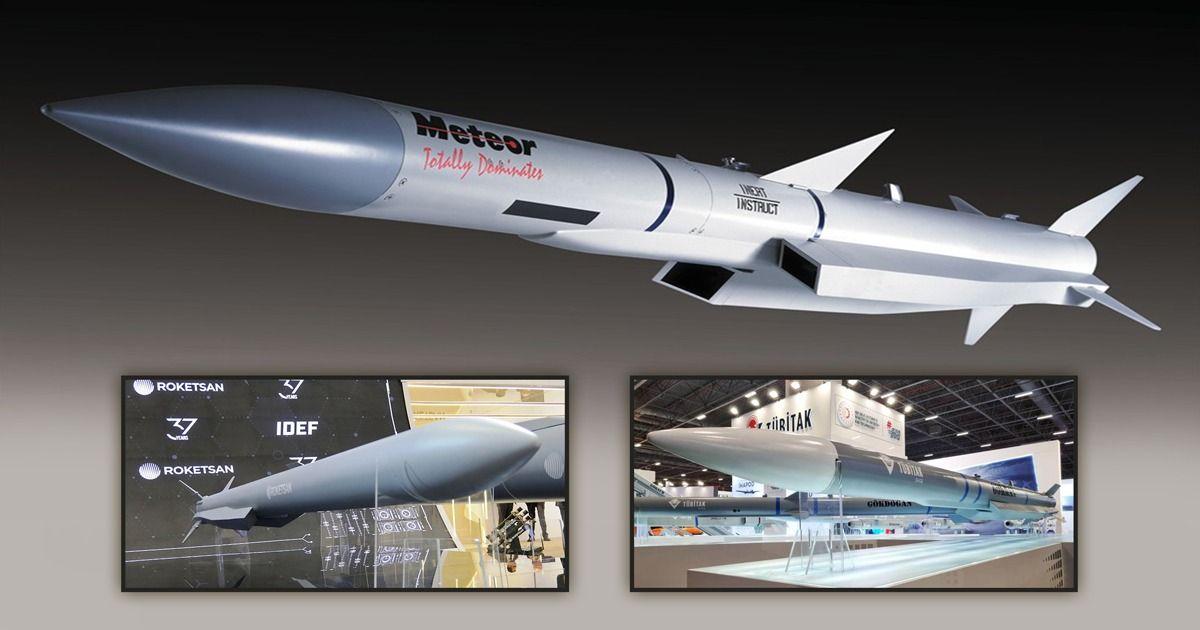
The development of Turkey’s Gökbora missile with a ramjet engine is another step in the global race to replicate the capabilities of the Meteor — the Franco-British beyond-visual-range (BVR) air-to-air missile that has become a new standard in its class.

“Ukraine: The Frontline Innovation Hub Reshaping Global Defense”
Milzo Weekly Digest (1–13 July)
Ukraine — a Hub of Defense Innovation

Milzo Strategic Digest

In the new era of warfare, tanks are no longer the main asset — decisions are. And ideally, they need to be instant.
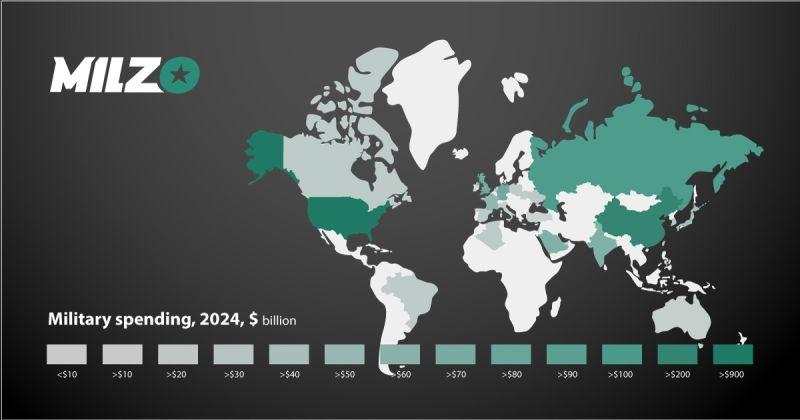
Defense Spending 2024–2025
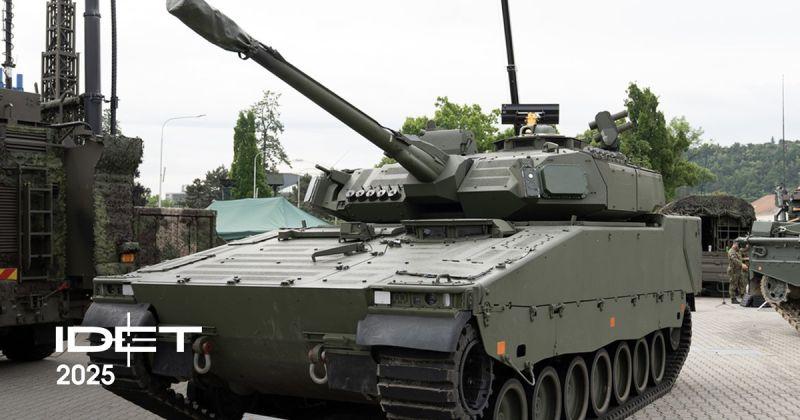
IDET 2025: Defence is going digital

MILZO at DEF.Talks: Strategic Communication in the Defence Sector