


Drone Warfare 2025: Strategic Trends & Industry Momentum Q2 2025
Drone Warfare 2025: Strategic Trends & Industry Momentum
Q2 2025 | Analytical Brief | MILZO
INTRODUCTION: From Advantage to Necessity
In 2025, the global drone industry is no longer just a race for superiority — it's the infrastructure of modern warfare. UAVs, FPVs, and autonomous platforms are evolving into essential layers of tactical and strategic operations. The latest industry signals, gathered from a diverse set of defense news sources, reflect a profound shift in how states, manufacturers, and alliances treat unmanned systems — not as support units, but as decision-making agents, frontline game-changers, and scalable deterrents.
1. Contract Surges: Tactical Drones in High Demand
Summary:
Major international players are expanding investments in tactical drones, securing supply chains, and localizing production.
Key Events:
Aeronautics Group secured over $50 million in international contracts for the Orbiter 4 tactical drone, affirming sustained demand for medium-range ISR platforms.
Edge Autonomy, a UAV manufacturer with active operations in Ukraine, has been acquired by Redwire, marking a strategic consolidation of tactical drone expertise and satellite integration capabilities.
Implication:
Buyers prioritize platforms tested in high-intensity environments (e.g., Ukraine) and with flexible payload integration. Tactical drones are being embedded into layered defense systems.
2. The Rise of AI-Enhanced Combat Systems
Summary:
Artificial intelligence is rapidly becoming a defining feature of drone warfare, especially in systems requiring real-time target recognition, swarming, and autonomous navigation.
Key Events:
Helsing’s Centaur AI agent was successfully tested on the Saab Gripen E, reflecting Europe's push for integrated AI-pilot collaboration.
Quantum Systems opened a new facility in the US, scaling AI-powered aerial intelligence solutions.
Implication:
The race is shifting from "who flies" to "who processes and reacts faster". AI will be decisive in electronic warfare, C2 loop speed, and low-latency swarm coordination.
3. Battlefield-Ready Innovations: From Lab to Frontline
Summary:
Defense tech is moving faster from lab validation to combat deployment. Ukraine serves as a proving ground for rapid iteration and battle testing of FPV, UGV, and hybrid platforms.
Key Observations:
Demand is rising for modular systems that can be repaired, adjusted, or even reprinted on the battlefield.
The US Air Force Chief proposed integrating 3D printers into frontline units to speed up drone repairs and reduce logistical bottlenecks.
Implication:
The frontline is becoming a decentralized R&D environment. Companies that can support rapid modular repair and software updates in-theater will dominate the next wave of procurement.
Related Blog Posts

Defense Week (29 Sep–05 Oct)

MILZO YouTube Channel

Defense Tech Valley 2025 — where defense, innovation, and entrepreneurship converge.

Defense Week: contracts, drones, and new EW test ranges

Digital Transformation for Defense Associations and Clusters

MAGURA: A Rare Look at Where It All Began

Naval Drones: A New Era of Uncrewed Maritime Dominance

European Defence Industry: Spending at Cold War Levels
Strategic Acquisitions & Vertical Integration
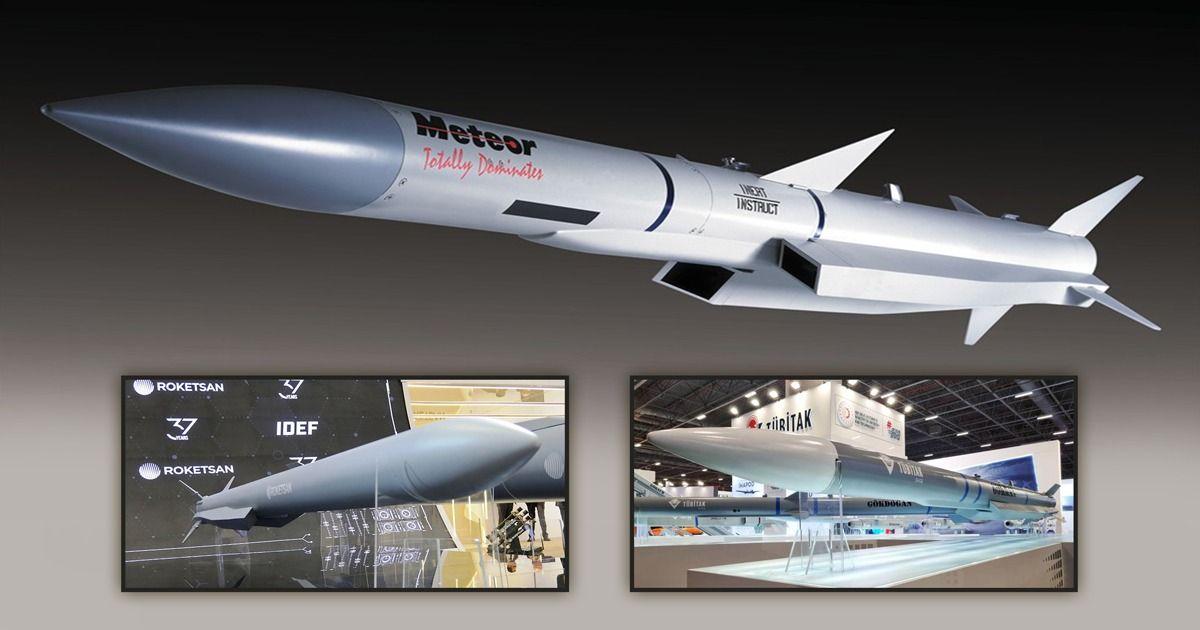
The development of Turkey’s Gökbora missile with a ramjet engine is another step in the global race to replicate the capabilities of the Meteor — the Franco-British beyond-visual-range (BVR) air-to-air missile that has become a new standard in its class.

“Ukraine: The Frontline Innovation Hub Reshaping Global Defense”

Milzo Weekly Digest (1–13 July)

Ukraine — a Hub of Defense Innovation

Milzo Strategic Digest

In the new era of warfare, tanks are no longer the main asset — decisions are. And ideally, they need to be instant.
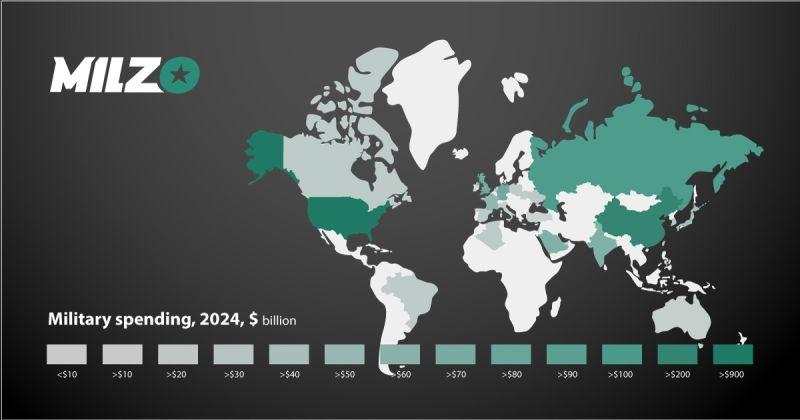
Defense Spending 2024–2025
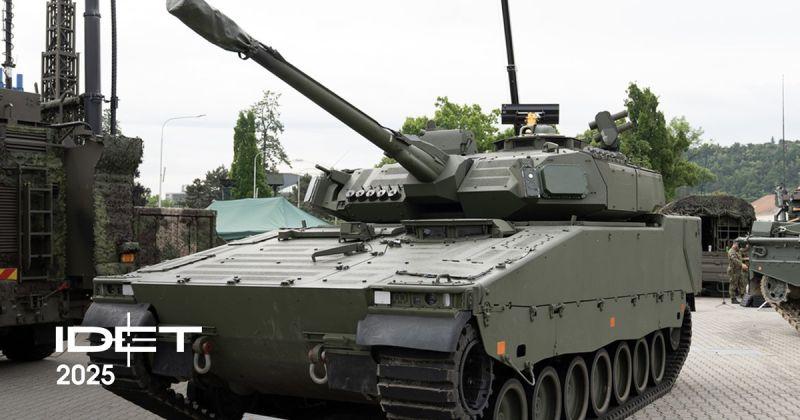
IDET 2025: Defence is going digital

MILZO at DEF.Talks: Strategic Communication in the Defence Sector