


Defense Week: contracts, drones, and new EW test ranges
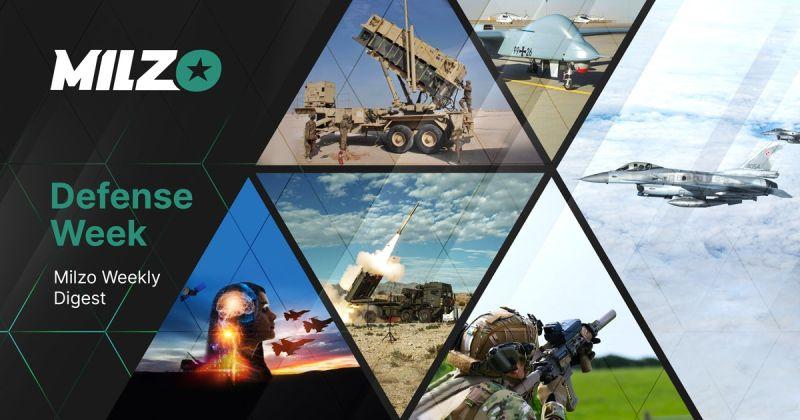
Defense Week: contracts, drones, and new EW test ranges:
1. Ukraine’s Defense Industry
— Ukraine fields “listening” interceptor drones. Acoustic sensors detect and intercept UAVs even with weak or denied RF links, strengthening tactical counter-UAS and reducing dependence on classic EW.
2. International Defense Industry
— USA: \$4.23B GMLRS order. Locks in high-tempo munitions production and signals long-cycle demand, driving investment in capacity and supply chains.
— Germany to expand its UAV fleet from \~600 to 8,000 by 2029. This will scale sensors, training, and MRO, forming one of Europe’s largest and most diverse drone clusters.
— Poland to 6× its 155 mm shell output by 2027. The push for munitions autonomy reduces import exposure and helps close NATO shortfalls.
— USA accelerates Patriot PAC-3 MSE production. Replenishes stocks and shifts the air-defense balance across Europe and Asia.
— UK: Army accepts the first domestically built Boxer. Localization enables serial rollout and builds national value-add across the supply chain.
3. Technology & Innovation
— DARPA opens the world’s largest real-time EW range. Faster RF testing and tactics validation will compress the R\&D-to-fielding cycle.
— NOMARS USX-1 Defiant: the program’s first fully autonomous vessel. Designed for long-endurance missions, it unlocks new naval CONOPS.
— Portable micro-nuclear reactor for a U.S. base. Enhances energy resilience and cuts fuel logistics, hardening against infrastructure attacks.
— Israeli XR + AI neuro-interface enters the battlefield. The combo aims to speed perception and decision-making for operators in complex fights.
— AFRL launches an experimental navigation satellite. Targets resilience against jamming and GNSS threats for precision weapons and UAVs.
4. Deals & Cooperation
— Elbit Systems: \$1.6B European contract (weapons & C4ISR). Strengthens the firm’s position and the market for integrated sensor-network solutions.
— Poland × USA: \$3.8B F-16 modernization. Extends fleet life, adds capabilities, and loads U.S. MRO capacity.
— Czechia × Rheinmetall: €250M Leopard 2A4 service. A European maintenance chain boosts readiness and availability.
— Kongsberg Defence Australia: \$50M export of NSM launchers. Localization grows the Australian cluster and opens export paths.
— Kosovo, Albania, and Croatia deepen defense ties. Greater interoperability and joint programs enhance regional security.
Conclusion: The biggest force-multiplier is Germany’s plan for 8,000 UAVs by 2029. It anchors EU-wide demand for platforms, sensors, counter-UAS, and MRO, accelerating standardization and investment in production lines. For Ukraine, that’s both an opening for integration and export—and tougher competition for talent and capacity.
Related Blog Posts
Defense Week (29 Sep–05 Oct)

MILZO YouTube Channel

Defense Tech Valley 2025 — where defense, innovation, and entrepreneurship converge.

Digital Transformation for Defense Associations and Clusters

MAGURA: A Rare Look at Where It All Began
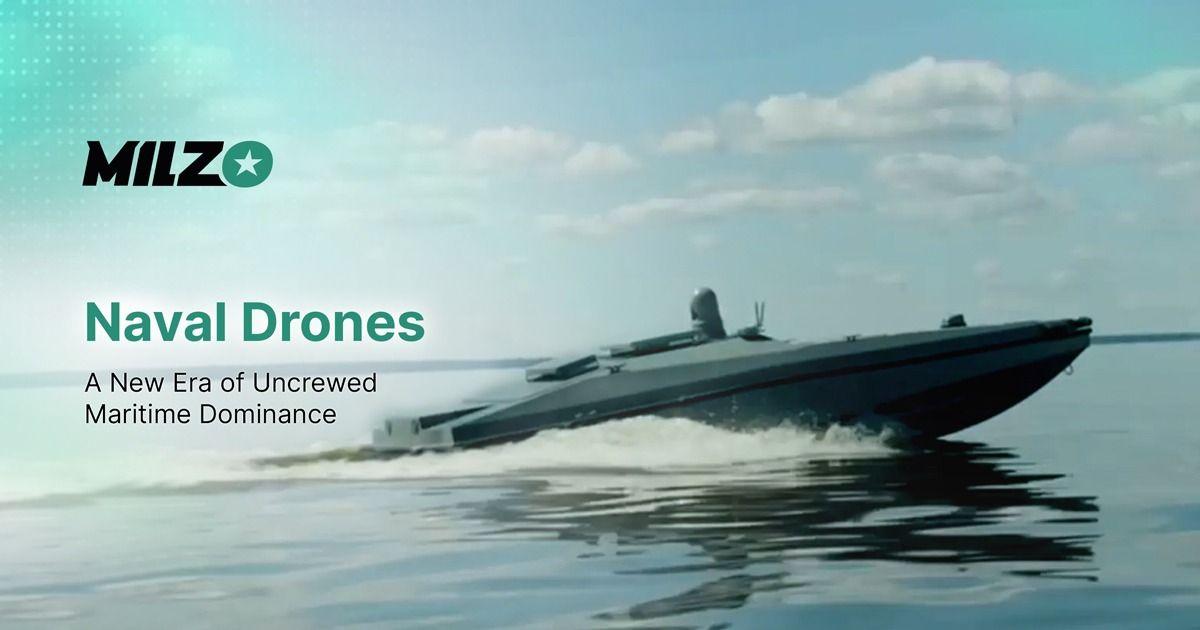
Naval Drones: A New Era of Uncrewed Maritime Dominance

European Defence Industry: Spending at Cold War Levels
Strategic Acquisitions & Vertical Integration
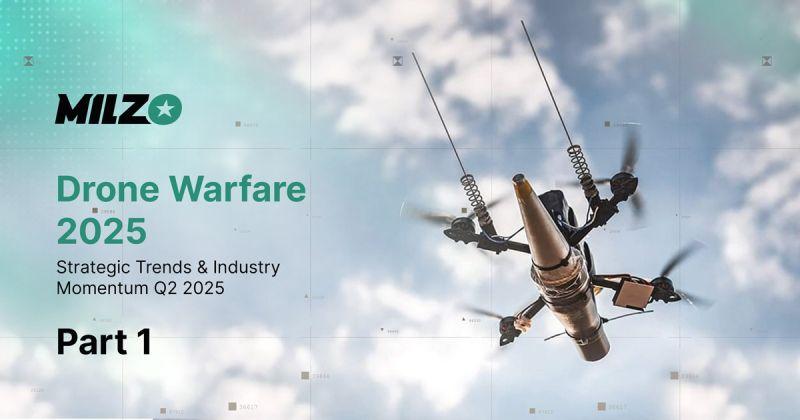
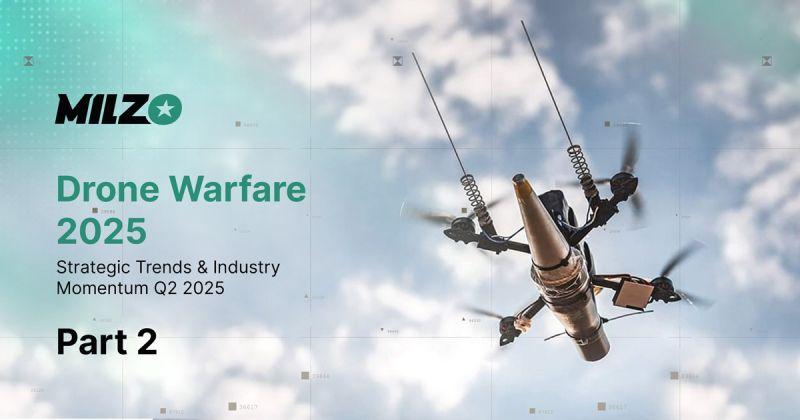
Drone Warfare 2025: Strategic Trends & Industry Momentum Q2 2025
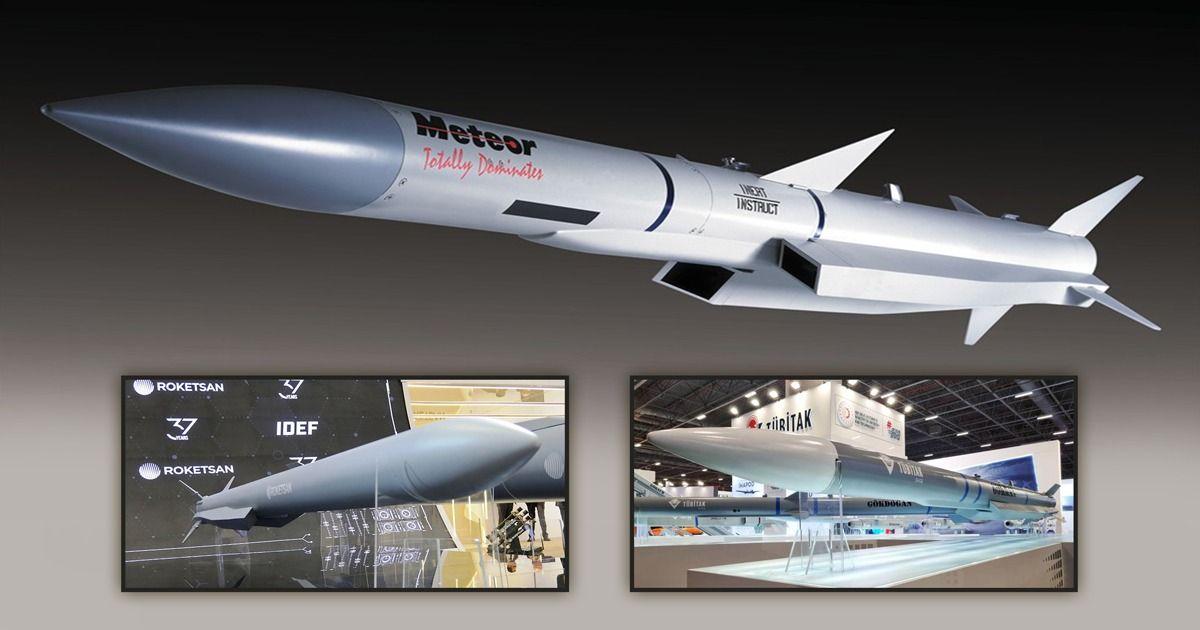
The development of Turkey’s Gökbora missile with a ramjet engine is another step in the global race to replicate the capabilities of the Meteor — the Franco-British beyond-visual-range (BVR) air-to-air missile that has become a new standard in its class.

“Ukraine: The Frontline Innovation Hub Reshaping Global Defense”
Milzo Weekly Digest (1–13 July)

Ukraine — a Hub of Defense Innovation

Milzo Strategic Digest

In the new era of warfare, tanks are no longer the main asset — decisions are. And ideally, they need to be instant.
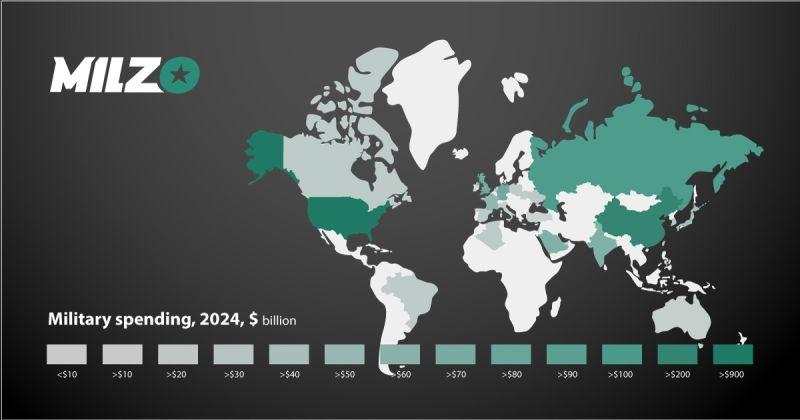
Defense Spending 2024–2025
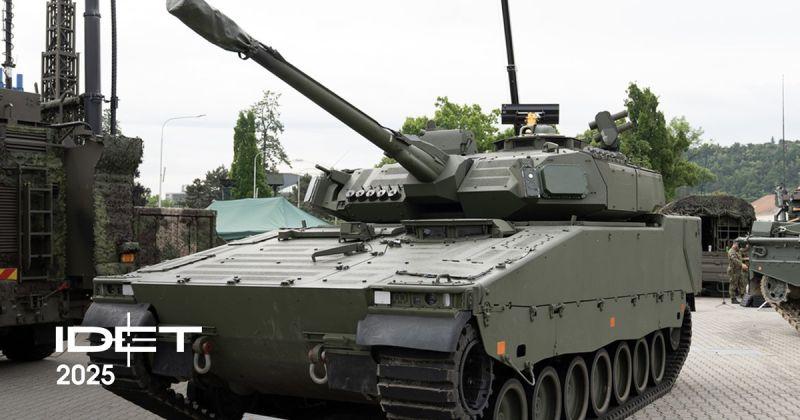
IDET 2025: Defence is going digital

MILZO at DEF.Talks: Strategic Communication in the Defence Sector