

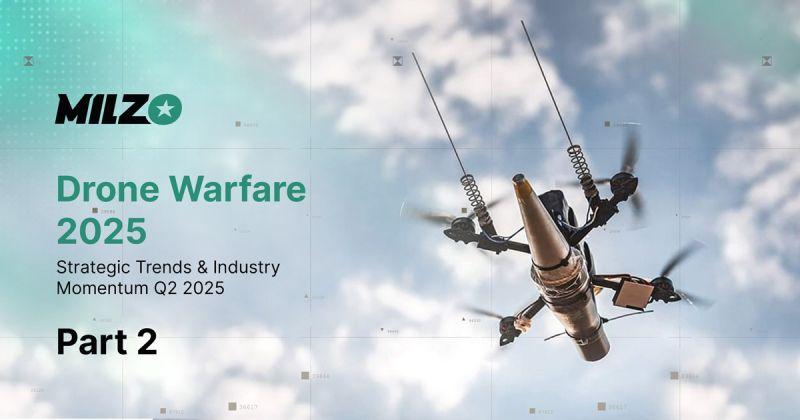
Drone Warfare 2025: Strategic Trends & Industry Momentum Q2 2025
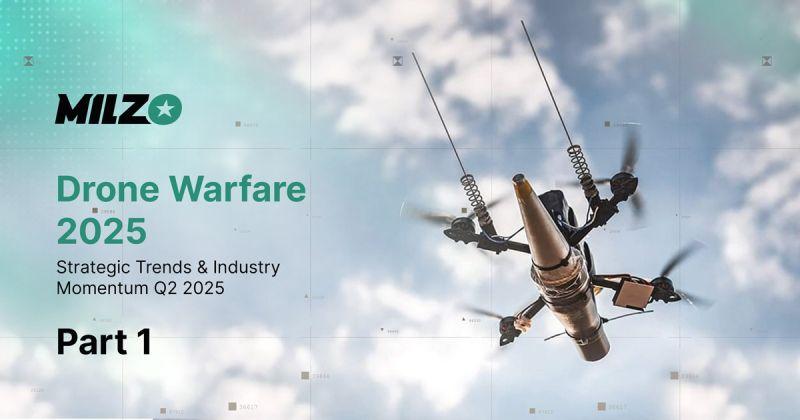
Drone Warfare 2025: Стратегічні тренди та динаміка індустрії
II квартал 2025 | Аналітична записка | MILZO
Вступ: від переваги до необхідності
У 2025 році глобальна дронова індустрія вже не просто змагання за перевагу — це інфраструктура сучасної війни. БПЛА, FPV та автономні платформи еволюціонують у критично важливі елементи тактичних і стратегічних операцій. Останні сигнали з індустрії, зібрані з різних джерел оборонних новин, свідчать про глибинний зсув у тому, як держави, виробники та альянси розглядають безпілотні системи — не як допоміжні засоби, а як агентів прийняття рішень, рушійні сили на передовій і масштабований фактор стримування.
1. Стрімке зростання контрактів: тактичні дрони у високому попиті
Резюме:
Великі міжнародні гравці нарощують інвестиції у тактичні БПЛА, зміцнюють ланцюги постачання та локалізують виробництво.
Ключові події:
-
Aeronautics Group отримала понад $50 млн міжнародних контрактів на тактичний дрон Orbiter 4, підтвердивши стабільний попит на платформи середньої дальності для ISR-місій.
-
Edge Autonomy, виробник БПЛА з активною присутністю в Україні, придбана компанією Redwire, що означає стратегічну консолідацію компетенцій у сфері тактичних дронів та інтеграції із супутниковими системами.
Висновок:
Замовники віддають перевагу платформам, перевіреним у високої інтенсивності конфліктах (наприклад, в Україні) та з гнучкою інтеграцією корисного навантаження. Тактичні дрони дедалі більше стають елементами багаторівневих систем оборони.
2. Піднесення бойових систем із ШІ
Резюме:
Штучний інтелект стрімко стає визначальною характеристикою дронової війни, особливо в системах, що потребують розпізнавання цілей у реальному часі, роєвих тактик та автономної навігації.
Ключові події:
-
Centaur AI agent від компанії Helsing успішно протестований на літаку Saab Gripen E, що відображає європейський курс на інтегровану співпрацю ШІ та пілота.
-
Quantum Systems відкрила новий завод у США для масштабування рішень зі збору повітряної розвідданих на основі ШІ.
Висновок:
Змагання зміщується з «хто літає» до «хто швидше обробляє та реагує». ШІ стане вирішальним у радіоелектронній боротьбі, швидкості циклу управління C2 та координації роїв із низькою затримкою.
3. Інновації, готові до поля бою: від лабораторії до фронту
Резюме:
Оборонні технології дедалі швидше переходять від лабораторних випробувань до бойового використання. Україна виступає полігоном для швидкої ітерації та тестування FPV, UGV і гібридних платформ.
Ключові спостереження:
-
Зростає попит на модульні системи, які можна відремонтувати, адаптувати чи навіть надрукувати заново прямо на полі бою.
-
Головнокомандувач ВПС США запропонував інтегрувати 3D-принтери у бойові підрозділи для пришвидшення ремонту дронів та зменшення логістичних вузьких місць.
Висновок:
Передова перетворюється на децентралізоване R&D-середовище. Компанії, здатні забезпечувати швидкий модульний ремонт і оновлення ПЗ «у полі», домінуватимуть у наступній хвилі державних закупівель.
Пов’язані публікації блогу
Тиждень оборони (29 вересня – 5 жовтня)
YouTube-канал MILZO
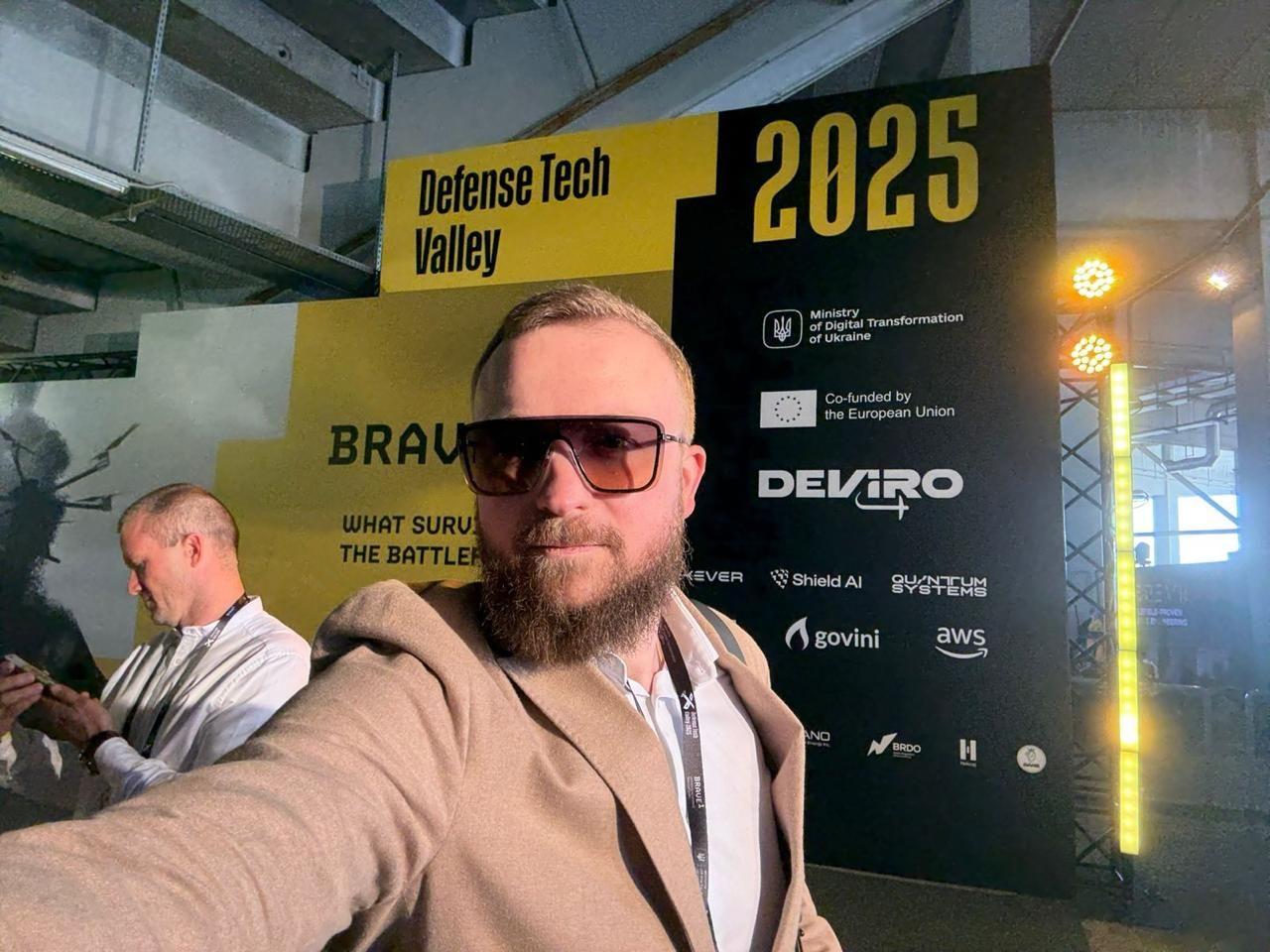
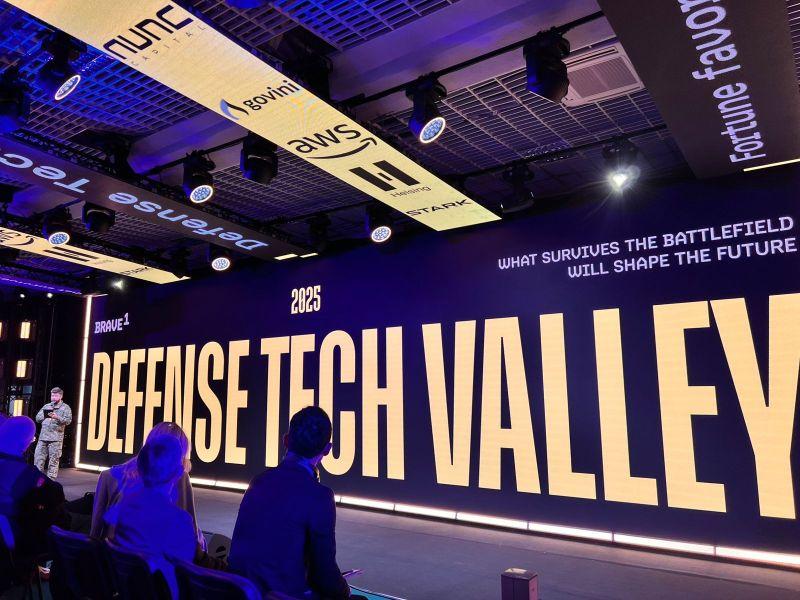
Defense Tech Valley 2025 — де поєднуються оборона, інновації та підприємництво.
Оборонний тиждень: контракти, дрони та нові полігони для випробувань РЕБ

Цифрова трансформація для оборонних асоціацій та кластерів

МАГУРА: Рідкісний погляд на те, з чого все починалося
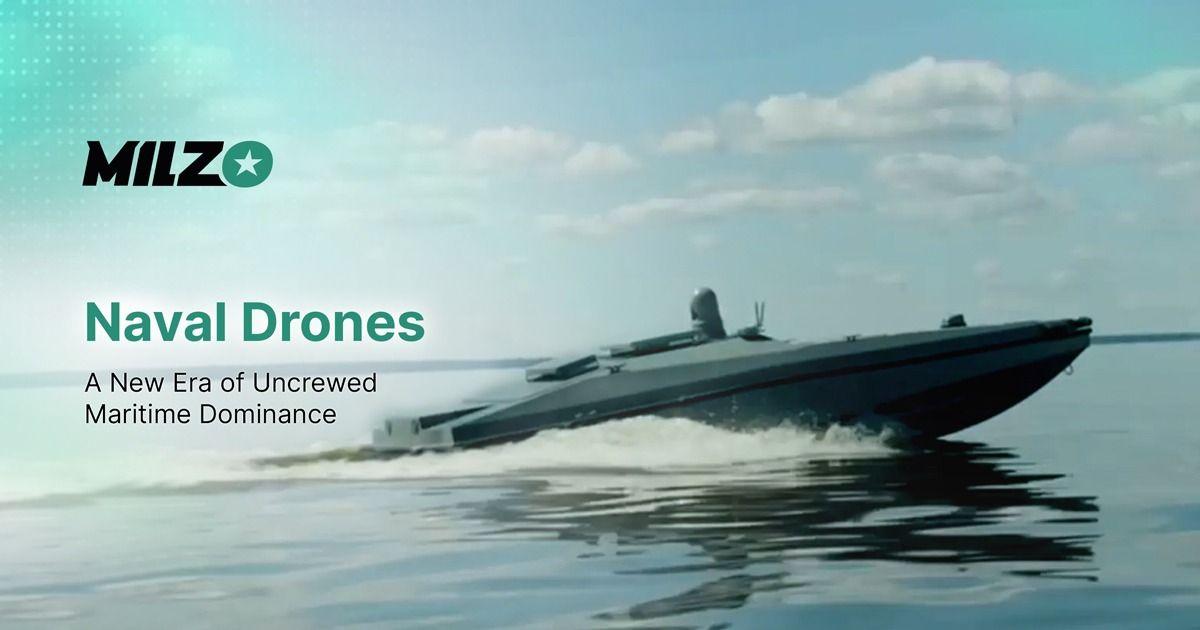
Морські дрони: нова ера домінування на морі без екіпажу
Європейська оборонна промисловість: витрати на рівні часів Холодної війни
Стратегічні придбання та вертикальна інтеграція
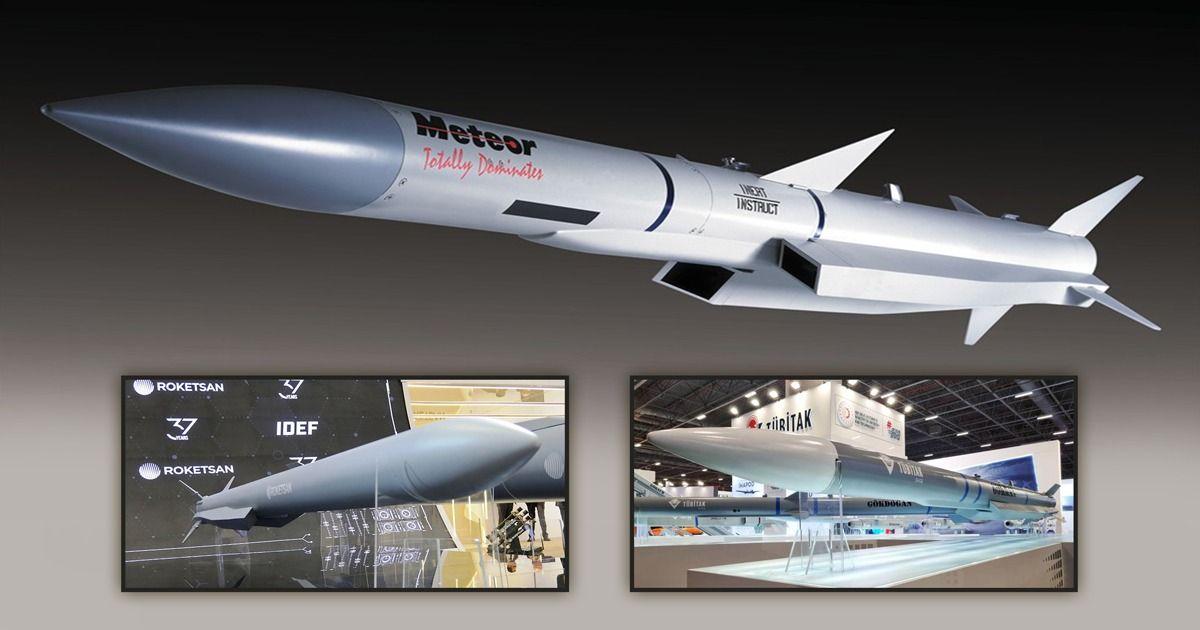
Розробка турецької ракети Gökbora з прямоточним реактивним двигуном є ще одним кроком у глобальній гонці за повторення можливостей Meteor — франко-британської ракети класу «повітря-повітря» за межами візуального діапазону (BVR), яка стала новим стандартом у своєму класі.
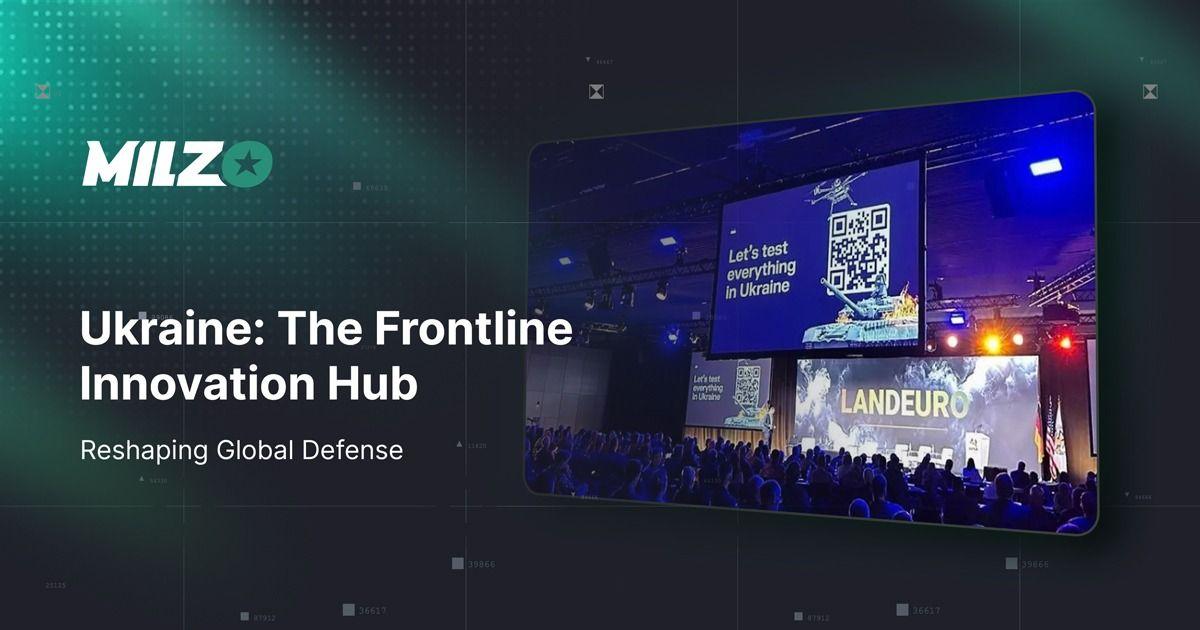
«Україна: передовий інноваційний хаб, що змінює глобальну оборону»
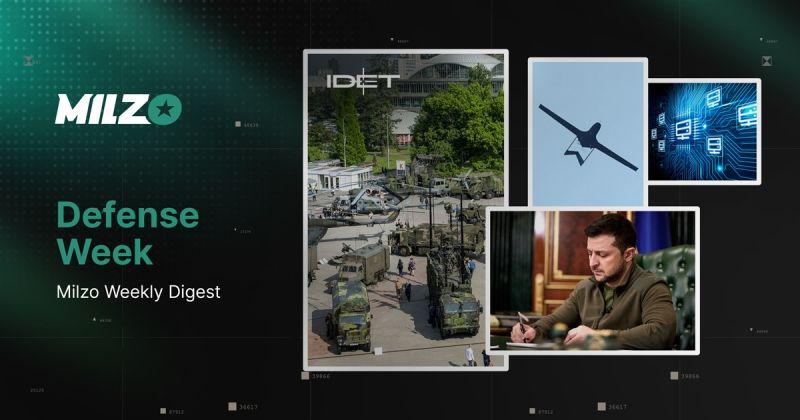
Щотижневий дайджест Milzo (1–13 липня)
Україна — центр оборонних інновацій
Стратегічний дайджест Milzo
У нову епоху воєн танки вже не є головним активом — рішення приймаються. І в ідеалі вони повинні бути миттєвими.
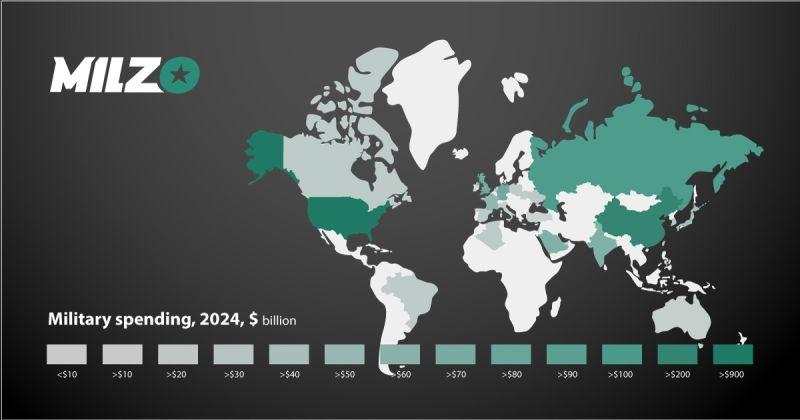
Оборонні витрати 2024–2025
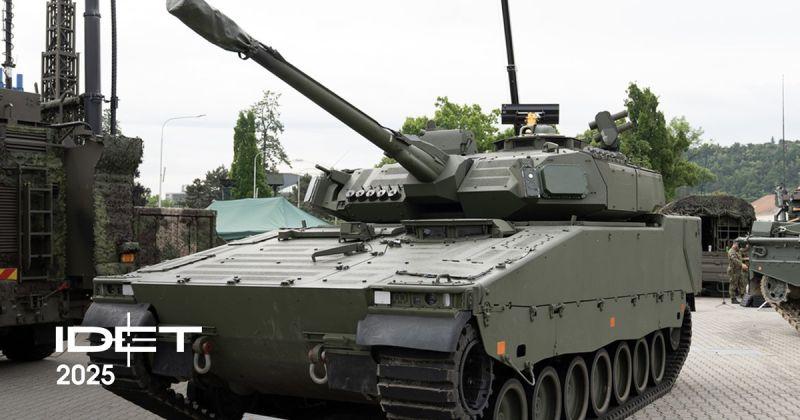
IDET 2025: Оборона переходить у цифровий формат

MILZO на DEF.Talks: Стратегічна комунікація в оборонному секторі